
- PRIVACY POLICY
- About
- All Categories
- Areca Palm
- Best Sellers
- Blog
- Bulk Orders
- Cart
- Chat with us
- Checkout
- Collections
- Contact For Bulk Order
- Corporate Gifts
- Cotton for a cause
- Covid-19 Update
- Customer Reviews
- Customised Curtains
- Customize
- Diwali Sale
- Edit Order
- explore
- Export Customer file for Facebook
- Feedback
- Furnish Your Dream
- Furniture
- Get in touch
- Gift Cards
- Holiday
- Home
- Home old
- Home1
- International Orders
- Kitchen and Table Best Sellers
- Limited-Time Deals
- Linen
- My Account
- My Gift Card
- New Arrivals
- Payment Policy
- Returns and Cancellation Policy
- review
- Sale
- Sale Category
- Sale Today
- Shipping Policy
- Shop
- Shop the Look
- Steal Deals
- Subscribe
- Support
- TERMS & CONDITIONS
- test page
- Thank you
- Thank you
- Thank you
- Thoppia Best Sellers
- Thoppia Wear
- Track Order
- Verification
- Weaver’s Diary
- Wishlist
International Shipping Available: For details, click here.
Free Shipping: Domestic orders (within India) above ₹999 | International orders above $89.
New User Offer: Use WELCOME200 to get ₹200 off on Subtotal above ₹2999* (India only).
Prepay and Save: Enjoy extra discounts with prepaid orders.**(India only).
THOPPIA500: ₹500 off on Subtotal above ₹12,499*** (India only).
THOPPIA1000: ₹1000 off on Subtotal above ₹24,999*** (India only).
The Beauty of Imperfection: Why Handmade Isn’t Meant to Be “Perfect”
Discover the beauty of handmade home decor and why imperfection adds value. Explore handcrafted cotton textiles that bring authenticity, warmth, and character to your space.
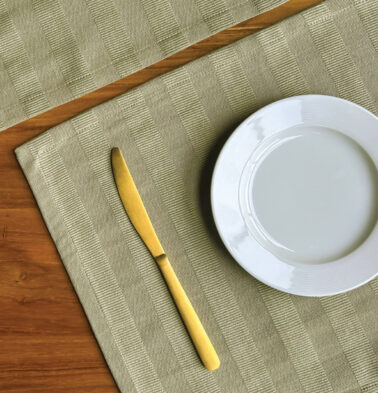

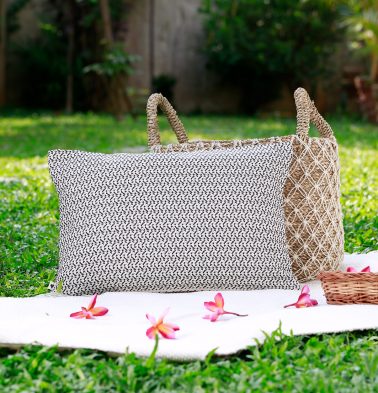
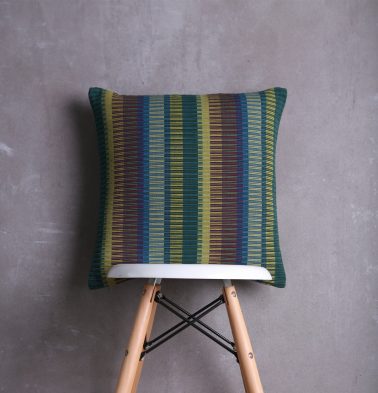
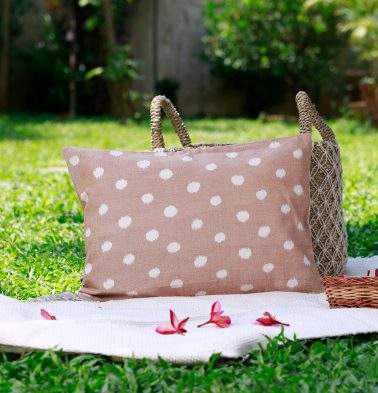
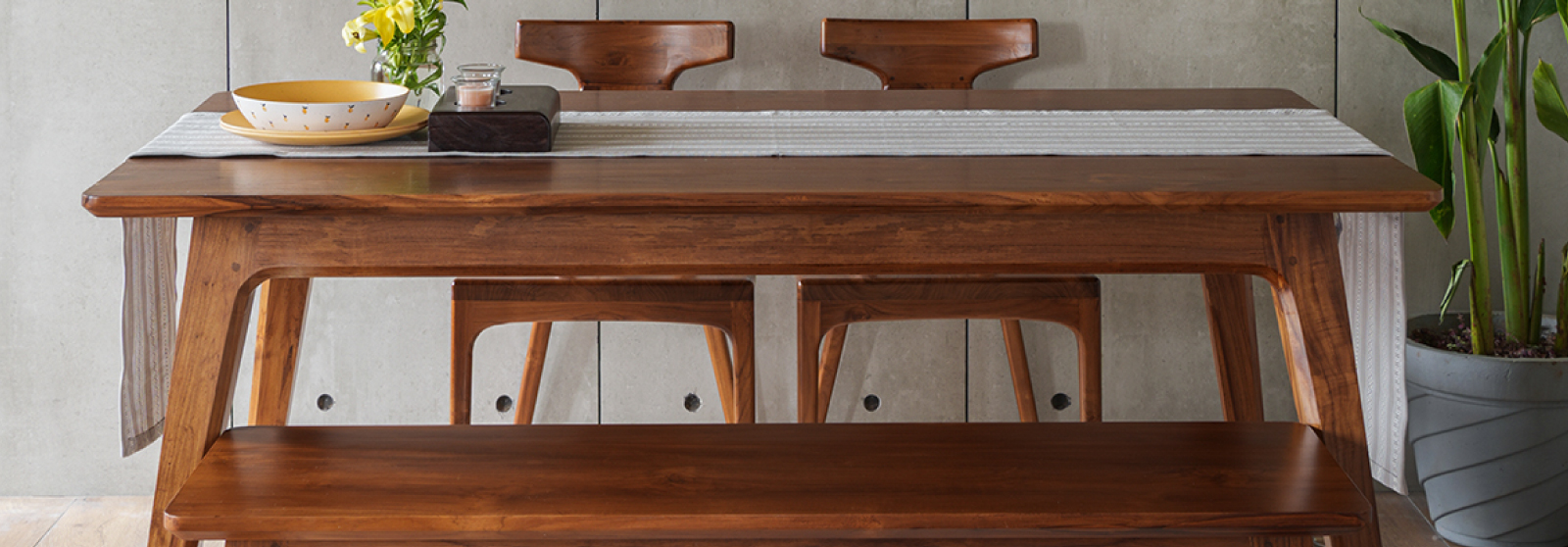
In a world that celebrates symmetry, polish, and machine-made precision, imperfection can feel… unfamiliar. We’ve been conditioned to expect everything to look identical, the same shade, the same finish, the same feel. But handmade products tell a different story. One that is quieter, more human, and far more meaningful.
Because when something is made by hand, “perfect” doesn’t mean flawless, it means real.
A Story Woven, Not Manufactured
Every handmade textile carries the imprint of the process behind it. The slight variation in a weave, the gentle inconsistency in color, or the tiny irregularity in print, these aren’t defects. They are markers of craftsmanship.
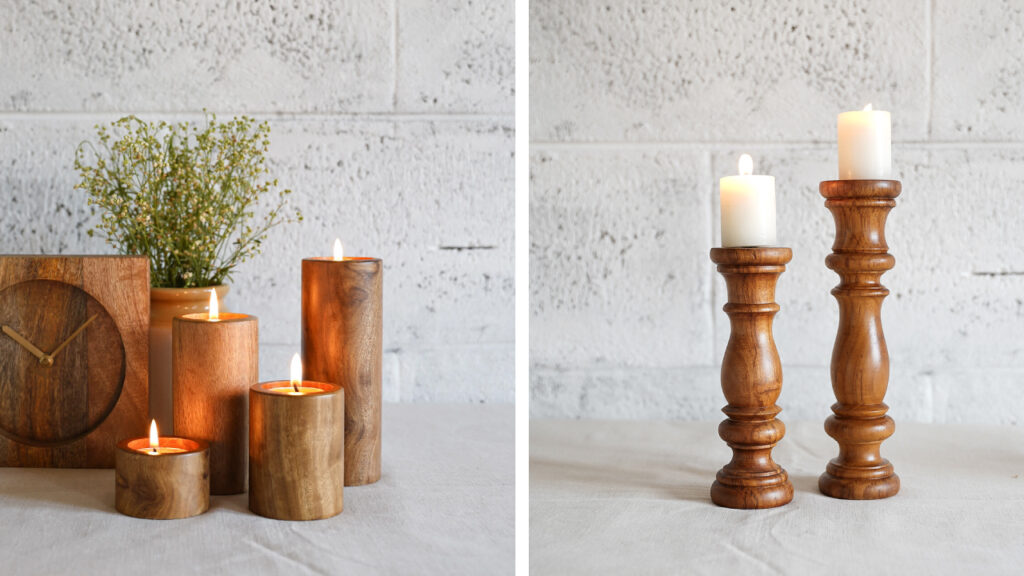
Unlike factory-made fabrics that are engineered for uniformity, handmade pieces are created through processes that involve time, skill, and human touch. No two pieces are ever exactly alike, and that’s precisely what makes them special.
At Thoppia, many of our fabrics are crafted in smaller batches, where each stage, from dyeing to weaving, relies on human precision rather than automated perfection. These nuances give every piece its own quiet identity.
The Hands Behind the Fabric
Behind every handmade product is not a machine, but a person.
An artisan who has spent years, often generations, learning and refining their craft. The rhythm of their work isn’t rushed. It follows a pace that allows attention to detail, care, and intention to come through in every thread.
This is why handmade pieces don’t look identical, because no two moments of making are ever the same.
A slight shift in tension while weaving, a minor variation in dye absorption, or even the weather on a given day can influence the final outcome. These are not inconsistencies; they are signatures of the hands that made them.
When you bring handmade textiles into your home, you’re not just choosing a product; you’re carrying forward a piece of someone’s skill, time, and story.
Why Imperfection Feels Better
There’s also a sensory difference you can feel.
Handmade fabrics tend to be softer, more breathable, and more “alive” compared to heavily processed alternatives. They aren’t over-treated to achieve a uniform sheen or stiffness. Instead, they retain a natural texture that evolves beautifully over time.
Much like how the apparel industry has embraced the idea of slow fashion, home décor is gradually moving towards what can be thought of as slow furnishings. It’s an approach that prioritises craftsmanship, smaller batches, natural materials, and pieces that are made to be lived with over time, rather than replaced quickly. In this way, imperfection becomes part of the experience, not a flaw to be corrected.
That slight unevenness? It’s what makes a cushion feel lived-in. That gentle variation in tone? It adds depth to your space.
It’s not just décor, it’s character.
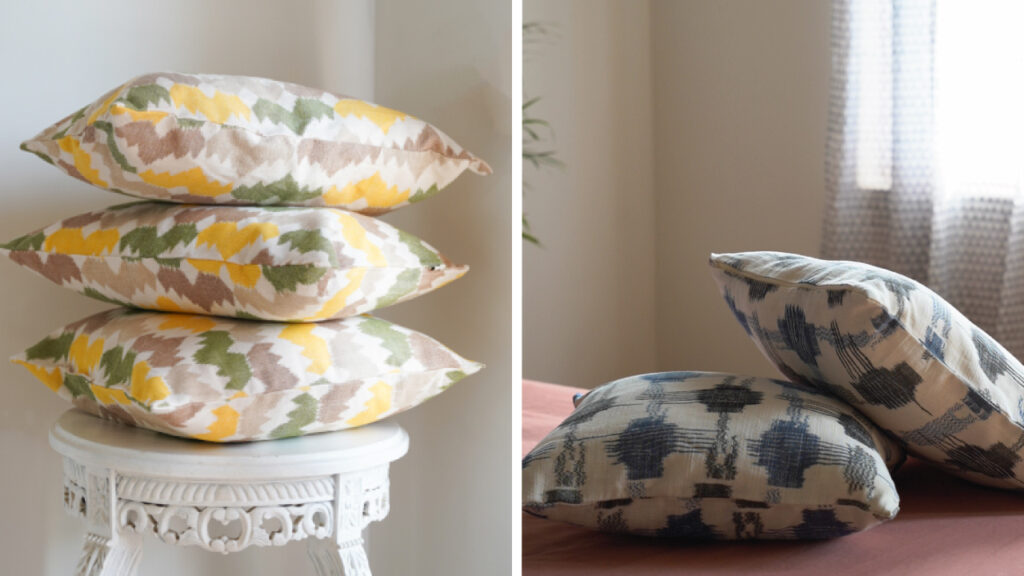
Understanding Price Differences
One of the most common questions around handmade products is, Why do they cost more? Or sometimes, why do similar-looking pieces have slight price variations?
The answer lies in the process.
Handmade production doesn’t follow a single, fixed formula. Each batch can vary slightly based on the time taken, the complexity of the weave, the skill involved, and even the raw materials used. Unlike mass production, where efficiency drives cost down, handmade work values time and craftsmanship.
At Thoppia, we work closely with small batches and evolving processes, which means pricing reflects not just the end product, but the effort, skill, and care behind it. Sometimes, even within the same category, variations in weave, density, or technique can influence the final cost.
It’s not about inconsistency, it’s about honesty in how things are made.
Letting Go of the “Factory Finish” Mindset
It’s easy to mistake consistency for quality. But in the world of textiles, the two don’t always go hand in hand.
A perfectly identical set of products often comes from high levels of processing, chemical treatments, and mass production. While they may look “clean,” they can lack the warmth and individuality that handmade pieces bring into a home.
Choosing handmade is, in a way, choosing to embrace nuance. To appreciate the small differences. To understand that beauty doesn’t have to be uniform to be valuable.
A Home That Feels Human
When you fill your space with handmade pieces, something shifts.
Your home starts to feel less like a catalogue and more like a reflection of you. The layers, the textures, the slight variations, they all come together to create a space that feels personal and lived-in.
This is something we deeply believe in at Thoppia, that the things you bring into your home should feel like they belong, not just visually, but emotionally.
In the End, It’s Not a Flaw
It’s easy to point out what’s different. What’s slightly off? What doesn’t match perfectly?
But maybe that’s the point. Because handmade isn’t meant to be perfect, it’s meant to be honest.
And in that honesty lies a kind of beauty that no machine can replicate.